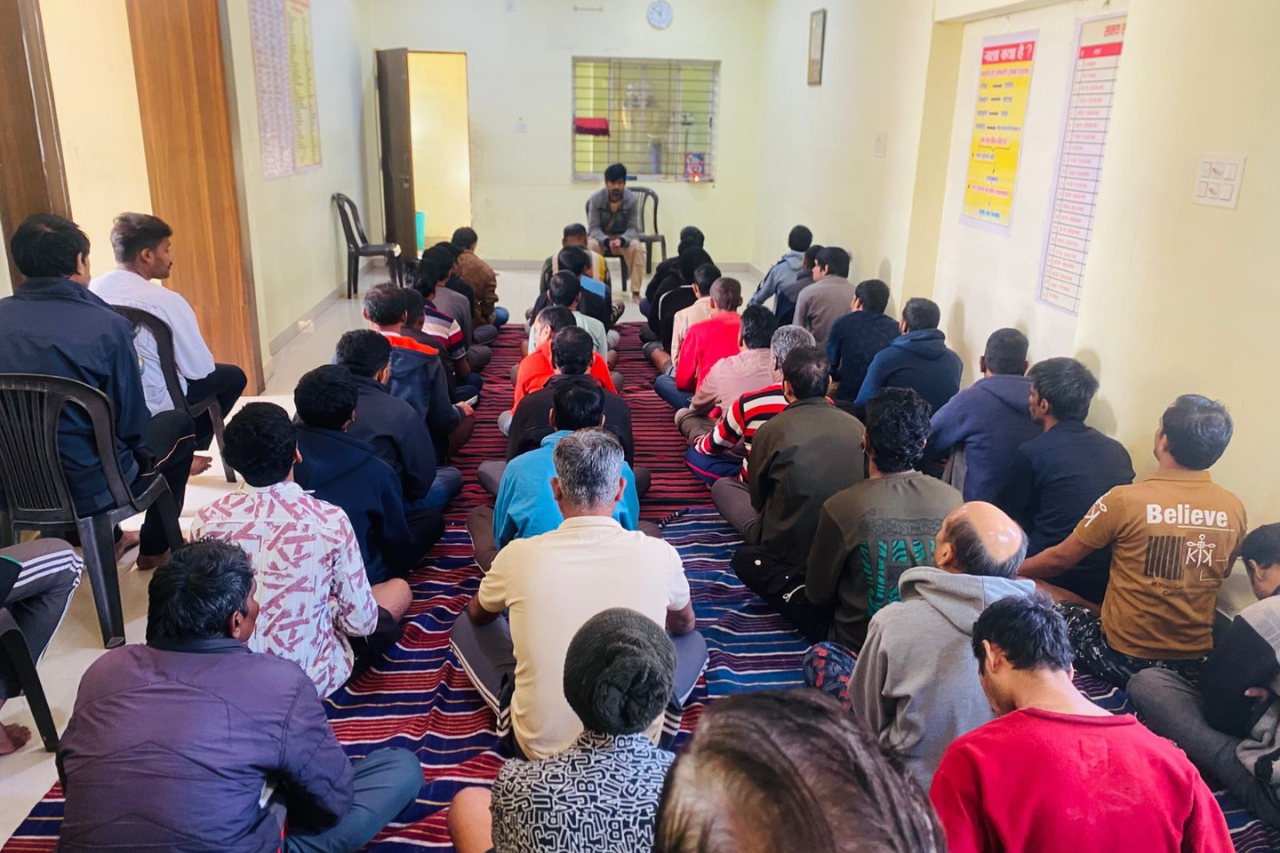
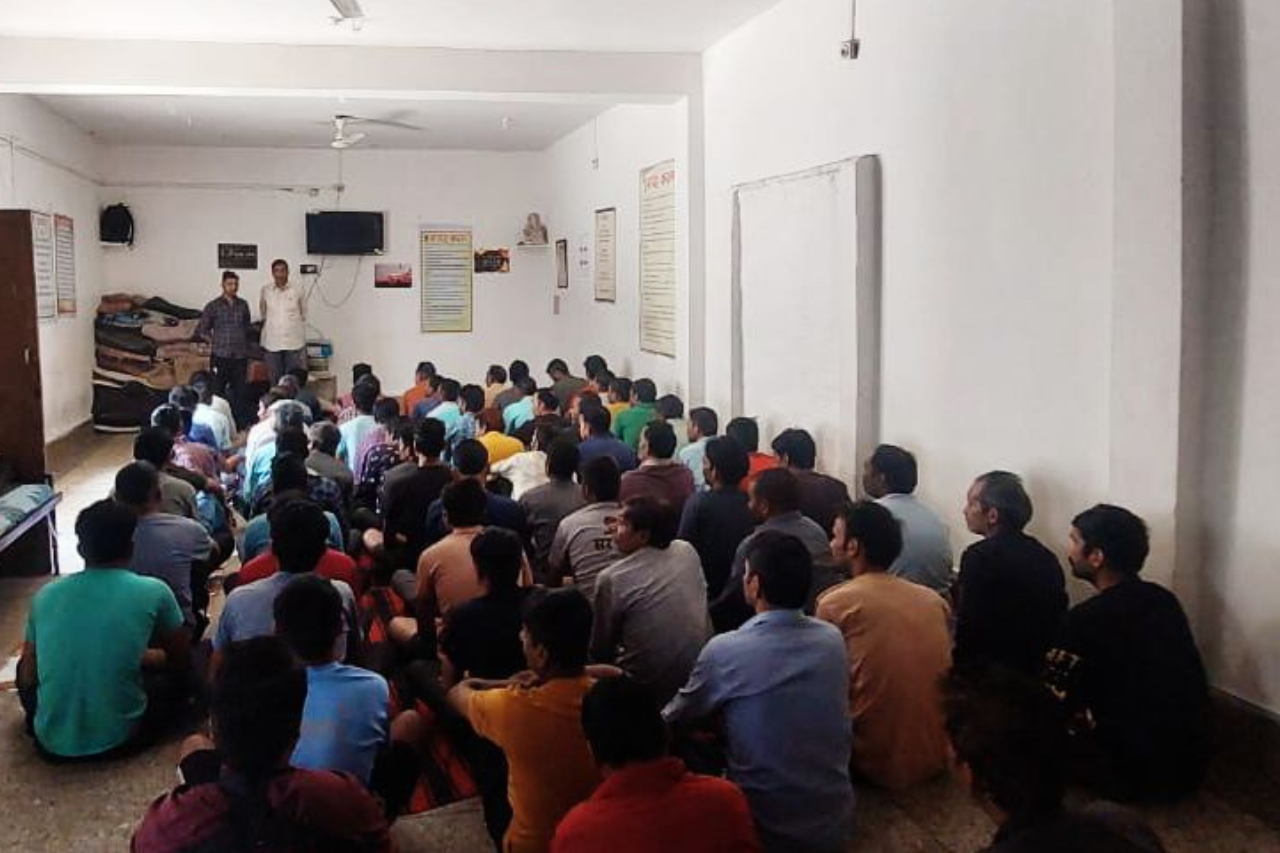
Meditation is a vital anchor on the road to recovery, transitioning the body from chronic stress to a state of active repair. By lowering cortisol and activating the parasympathetic nervous system, it accelerates physical healing and strengthens immune function.
Mentally, meditation builds resilience by training the brain to stay present. This reduces the power of cravings, anxiety, and rumination, providing a "buffer" between impulses and actions. Ultimately, the practice fosters self-compassion, helping individuals process trauma and replace self-criticism with the emotional stability necessary for long-term wellness and lasting transformation.
Yoga
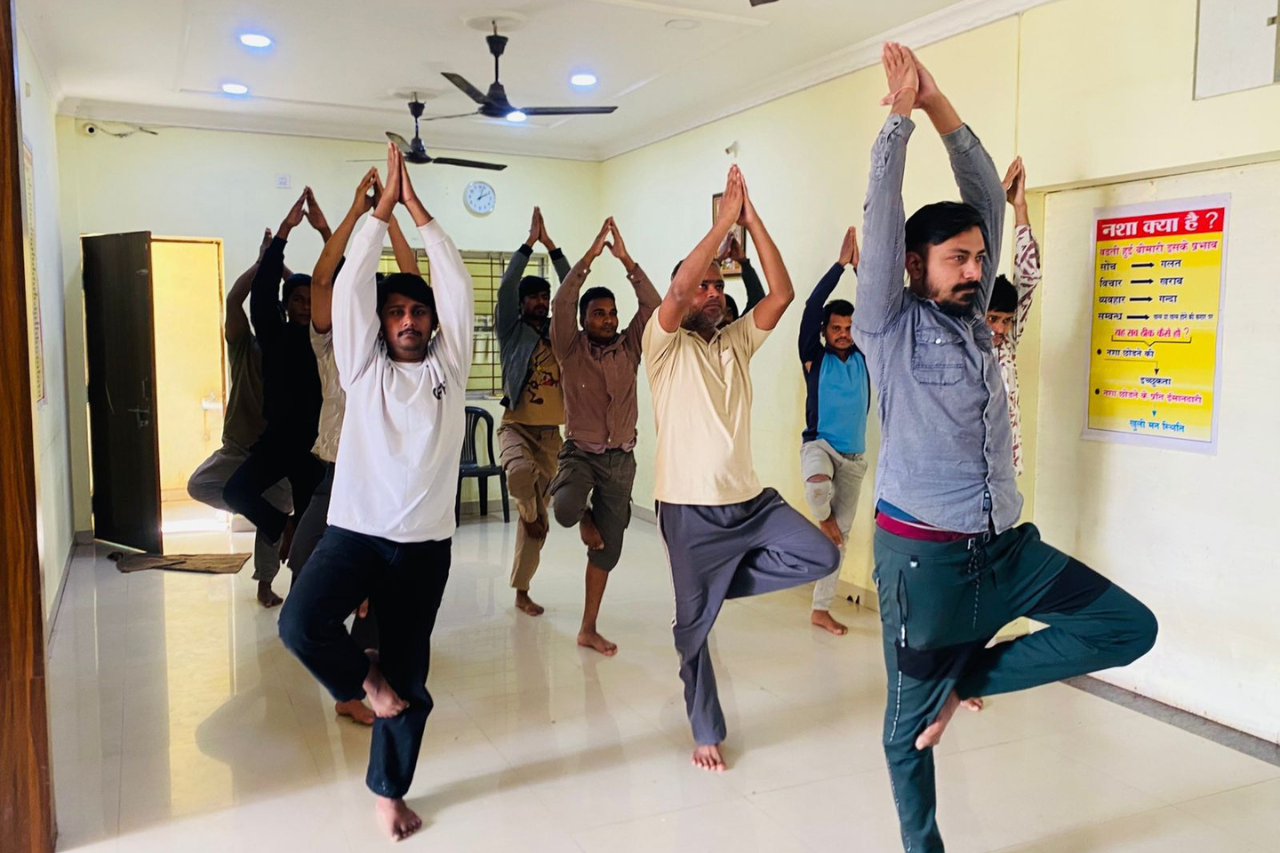
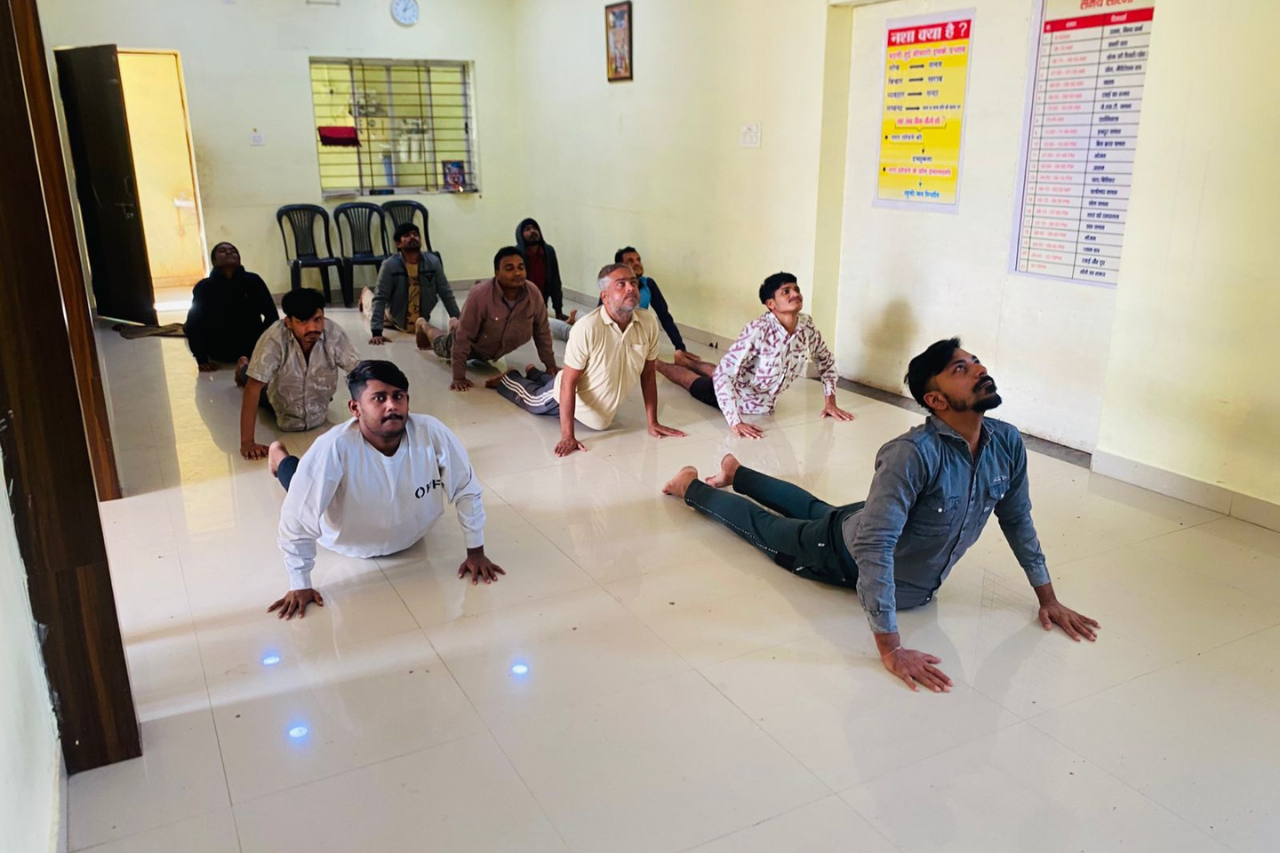
Yoga serves as a holistic bridge in recovery, integrating physical repair with mental stability. Physically, it improves circulation and flexibility, helping the body flush out toxins and reduce chronic pain. By lowering cortisol and increasing GABA levels, yoga naturally eases the anxiety and withdrawal symptoms often associated with recovery.
Beyond the physical, yoga cultivates mind-body awareness, allowing individuals to reconnect with sensations they may have previously suppressed. This "grounding" effect builds the discipline and emotional resilience needed to navigate triggers. Ultimately, yoga transforms recovery from a passive process into an active, empowering journey toward long-term wellness.
Physical and Strategic Games
Physical games, such as badminton, improve hand-eye coordination, balance, and motor skills. Simultaneously, mental games like Sudoku, chess, or strategy-based board games challenge the mind to process information and manage logic. This dual stimulation releases dopamine and endorphins, naturally boosting mood and reducing the stress hormones that can hinder healing.
Beyond the biological, games provide a sense of mastery and accomplishment. They offer a healthy distraction from pain or cravings and foster social connection through teamwork and friendly competition, which is essential for emotional resilience and long-term wellness.
Healthy and Hygienic Food
Chronic substance use depletes the body of essential micronutrients needed for neurotransmitter production. Nutrition for brain repair focuses on a "brain-healthy" diet rich in amino acids, omega-3 fatty acids, and complex carbohydrates to restore dopamine and serotonin levels. Proper hydration and stable blood sugar management are prioritized to prevent mood swings and cravings. By refueling the brain’s chemical stores, patients experience improved cognitive clarity and emotional stability, providing the physical energy required for intensive therapy.
Psychiatry
Psychiatry is the medical backbone of de-addiction centers, addressing addiction as a chronic brain disease. Psychiatrists provide essential clinical interventions, beginning with medically supervised detox to safely manage withdrawal. They are experts in Dual Diagnosis, treating co-occurring mental health disorders like depression or PTSD that often fuel substance abuse.
By prescribing medications to reduce cravings and stabilizing neurochemistry, psychiatrists create a window for therapy to be effective. Their role is to integrate biological treatments with behavioral strategies, ensuring a comprehensive, science-based path to neurological and emotional stabilization.
Physiology
Physiology in de-addiction focuses on restoring the body’s internal balance, or homeostasis, which is disrupted by chronic substance use. Addiction "hijacks" the brain’s reward system, primarily the basal ganglia, by flooding it with dopamine. Over time, the brain desensitizes these receptors, leading to tolerance and physical dependence.
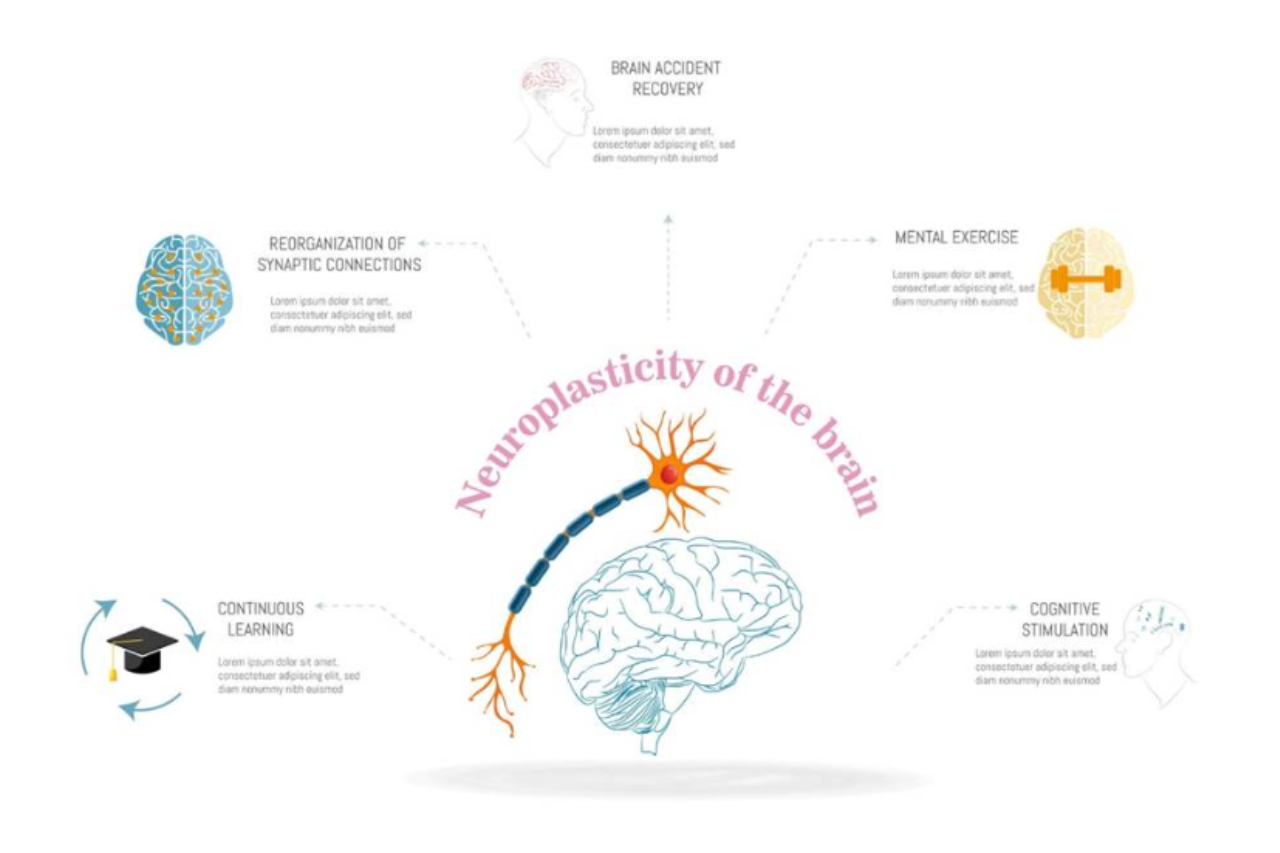
In recovery, physiology centers on neuroplasticity—the brain's ability to rewire itself. As toxins are cleared, the extended amygdala (the stress center) stabilizes, reducing withdrawal-induced anxiety. Simultaneously, the prefrontal cortex regains executive function, restoring impulse control and decision-making. This physiological repair is essential for shifting the body from a state of survival back to a state of natural health and stability.
Medically Supervised Detox
Detoxification is the critical first step in clearing substances from the body. Under 24/7 medical supervision, clinicians monitor vital signs and administer medications to manage potentially dangerous withdrawal symptoms. This process ensures safety and comfort, reducing the physical "fight-or-flight" response of the nervous system. By stabilizing the body’s physiology in a controlled environment, patients can bypass the initial trauma of withdrawal, creating a secure foundation for the psychological work of recovery to begin.
Family Healing & Counseling
Addiction is often called a "family disease," affecting every relationship in a household. Family counseling focuses on breaking cycles of codependency and enabling while establishing healthy boundaries. Through guided communication, families learn to address past traumas and rebuild trust. This systemic approach educates loved ones on the biology of addiction, transforming the home environment from a place of conflict into a supportive ecosystem that fosters long-term sobriety for the individual and emotional relief for the family.
Sober Living & Aftercare
Recovery doesn't end after residential treatment; sober living and aftercare provide the essential "bridge" back to society. These programs offer a structured, substance-free environment where individuals can practice real-world skills while remaining accountable. Aftercare plans typically include ongoing therapy, support group meetings, and relapse prevention coaching. This gradual transition minimizes the "culture shock" of returning to daily life, ensuring that the coping mechanisms learned in rehab are firmly integrated into the individual’s lifestyle.